Fattori chiave che determinano la qualità dei gambi di porcini salati
As a prized wild edible mushroom, porcini mushrooms have maintained a stable demand in the global catering market due to their rich aroma and robust texture. Among various processing methods, salted porcini stems, with their excellent preservation of original flavor and texture, have gradually become an important choice in the international catering supply chain, especially in the B2B sourcing market.
The brine pickling process extends the product's shelf life while effectively locking in the natural flavor and texture characteristics of the porcini stems, ensuring relatively stable performance in subsequent processing and large-scale production. This stability is of practical significance for food processing companies and catering suppliers who prioritize product consistency and raw material reliability.
How pickling processes shape product characteristics
The core of processing salted boletus stems lies in precisely soaking them in brine to preserve and optimize their flavor. During this process, brine concentration, pickling time, and ambient temperature are the three key parameters determining the quality of the finished product.
A high-concentration brine environment allows for rapid penetration of the bacteria, effectively inhibiting microbial growth and reproduction, which is fundamental to ensuring the product's long-term freshness.
The gentle salting process perfectly preserves the fibrous structure of the porcini stem. Compared to the cap, the stem is more compact, and after proper brine treatment, it develops a unique, firm, crisp, and chewy texture that is pleasantly satisfying. It doesn't easily become mushy after cooking and can be incorporated into various dishes.
The brine also locks in free amino acids and volatile flavor precursors in the porcini stem, allowing it to release its characteristic rich mushroom aroma during subsequent cooking.
Achieving this relies on a rigorous process: after strict cleaning and selection, the raw materials are immersed in a specially prepared food-grade brine. Controlling the pH of the brine, ensuring the mushrooms are completely submerged, and using food-grade packaging containers are key steps in ensuring consistent product quality and full traceability.
Quality Standards from an International Sourcing Perspective
For professional B2B buyers, sourcing salted boletus stems requires a comprehensive evaluation across the following dimensions to ensure high standards of taste, freshness, and quality:
Raw Material Selection and Specifications:
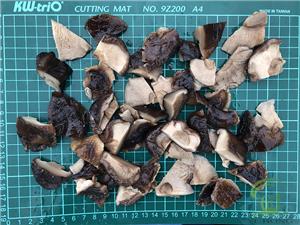
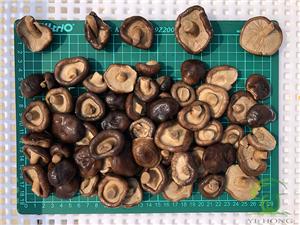
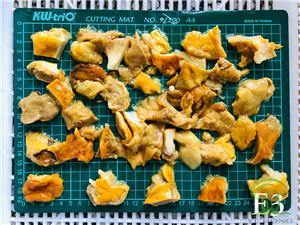
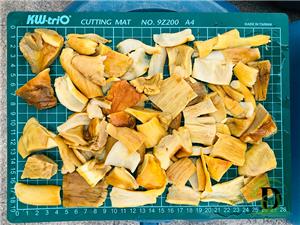
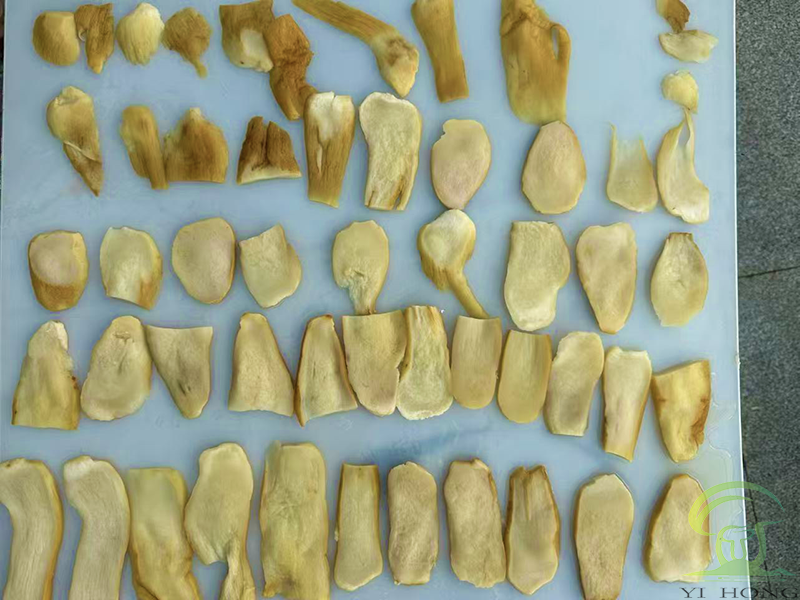
The quality of salted boletus stem hinges on the raw materials. Suppliers should provide raw materials with a stable source and clearly defined varieties. This is especially true for stem products, where specific specifications should be provided for thickness uniformity and cross-sectional integrity, as these directly affect the yield and appearance after thawing or desalination. A stable agricultural supply system ensures consistent quality and compliance better than uncontrolled wild harvesting.
Key Indicators of Taste and Texture
The texture of the stem is a key indicator of its quality. When sourcing, attention should be paid to the product's ability to retain its texture in brine. High-quality porcini stems should quickly regain their elasticity after desalination, have a crisp texture, and show no hollow or cottony changes inside. Suppliers should be able to demonstrate the stability of their products in terms of texture profile indicators such as hardness and chewiness through process specifications or third-party testing, ensuring consistent taste across different batches.
The assessment of freshness and sensory quality
Freshness is not only reflected in the shelf life, but also in the sensory experience. Upon opening the packaging, the product should have the characteristic fresh aroma of porcini mushrooms, without any off-odors or rancid smells. The brine should be clear, without turbidity or suspended matter. The color of the mushroom stem should be natural, close to its original color, without signs of excessive oxidation or discoloration. The microbiological testing report provided by the supplier is strong evidence of the hygiene, safety, and controllable freshness of its processing environment and the final product.
Why choose our salted porcini stems?
As a professional supplier in the industry, we are committed to providing high-quality salted porcini mushroom stems that meet global food safety standards. We adhere to three fundamental principles:
Controllable Raw Material Sourcing: Our porcini mushrooms come from rigorously selected partner farms, ensuring varietal purity, stable origin, and full traceability, guaranteeing the superior texture and specifications of the stems from the source.
Transparent Processing: We precisely control the brine concentration, soaking time, and temperature to maximize the preservation of the natural flavor, firm texture, and key nutrients of the porcini mushroom stems. We ensure that every batch of stem products is highly consistent in taste and quality.
For buyers seeking stable supply and high-quality products, choosing salted porcini mushroom stems means choosing a solution that excels in flavor, texture, and shelf life. Through the brine process, we not only extend the product's commercial lifespan but also lock in its core edible value. Choosing to partner with us means gaining a partner with validated processes, comprehensive testing standards, and a reliable supply chain, capable of providing a continuous and stable supply of high-quality raw materials for your global business lines.